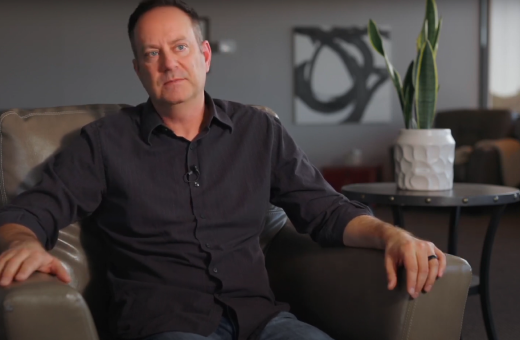
By Dr. Floyd Godfrey
Pornography addiction continues to impact individuals, couples, and families at increasing rates, particularly in the era of high speed internet access. Mental health professionals increasingly encounter clients describing compulsive pornography use, relational distress, secrecy, and escalating behavioral patterns similar to substance addictions. The foundational work of Patrick Carnes conceptualized sexual addiction through an addiction framework that integrates neurobiology, trauma history, and attachment disruption. Coaching for porn addiction has emerged as a structured and supportive complement to therapy, reinforcing recovery goals through accountability and skill development.
Understanding the Psychological Patterns of Porn Addiction
Porn addiction frequently follows a predictable cycle of preoccupation, ritualization, acting out, and despair. Over time, the brain’s reward circuitry becomes conditioned to pornography stimuli, reinforcing compulsive repetition. Clients often describe escalating content use, diminished satisfaction in real relationships, and increased shame.
Research and clinical insights from Stefanie Carnes emphasize trauma informed care and attachment repair as central components of effective treatment. Many individuals struggling with compulsive pornography use have histories of relational wounds, emotional neglect, or early sexualization. Coaching professionals who understand these dynamics can guide clients beyond surface level behavior control toward emotional regulation, resilience, and relational healing.
From a neurobiological perspective, dopamine driven reinforcement strengthens the habit loop. From a psychological perspective, pornography may function as a coping strategy for stress, loneliness, anxiety, or unresolved trauma. Effective coaching integrates both perspectives, helping clients identify triggers, develop emotional awareness, and implement replacement behaviors that support long term stability.
Educational Strategies
Education is a cornerstone of porn addiction coaching. Psychoeducation reduces shame by reframing compulsive use within a biopsychosocial addiction model rather than a purely moral failure. Clients benefit from understanding how conditioning, novelty seeking, and escalation impact neural pathways and relational satisfaction.
Coaches often implement structured recovery plans that include trigger mapping, boundary development, digital safeguards, journaling, and relapse prevention strategies. Encouraging participation in recovery communities and accountability partnerships further strengthens outcomes. Evidence based approaches frequently draw from cognitive behavioral principles, mindfulness practices, and trauma informed interventions.
For counselors, therapists, and coaches, ongoing professional development is essential. Integrating peer reviewed research and maintaining ethical boundaries ensures that coaching remains supportive while psychotherapy addresses deeper trauma, attachment disruption, and co occurring mental health concerns.
The Role of Therapeutic and Coaching Interventions
Coaching does not replace therapy; rather, it enhances the therapeutic process. Therapists work to resolve trauma, address attachment injuries, and treat co occurring disorders. Coaches reinforce daily application of coping skills, goal tracking, and behavioral consistency between sessions.
An integrated model provides clients with structured accountability while honoring scope of practice. Screening for depression, anxiety, compulsive disorders, and risk factors remains essential. When collaboration between therapist and coach is clear and ethical, clients often experience increased momentum in recovery.
Healing from pornography addiction is possible. With structured education, trauma informed care, and compassionate coaching support, individuals can rebuild integrity, restore relational trust, and experience sustainable change. Professionals who combine evidence-based knowledge with empathy offer both hope and practical direction for long term recovery.
Floyd Godfrey PhD is a Clinical Sexologist and a Certified Sex Addiction Specialist. He has been guiding clients since 2000 and currently speaks and provides consulting and mental health coaching across the globe. To learn more about Floyd Godfrey PhD please visit his website: www.FloydGodfrey.com
References
Carnes, P. (2015). Facing the shadow: Starting sexual and relationship recovery. Gentle Path Press.
Carnes, S. (2018). Courageous love: A couple’s guide to conquering betrayal. Gentle Path Press.
Get Started
Fill out form below